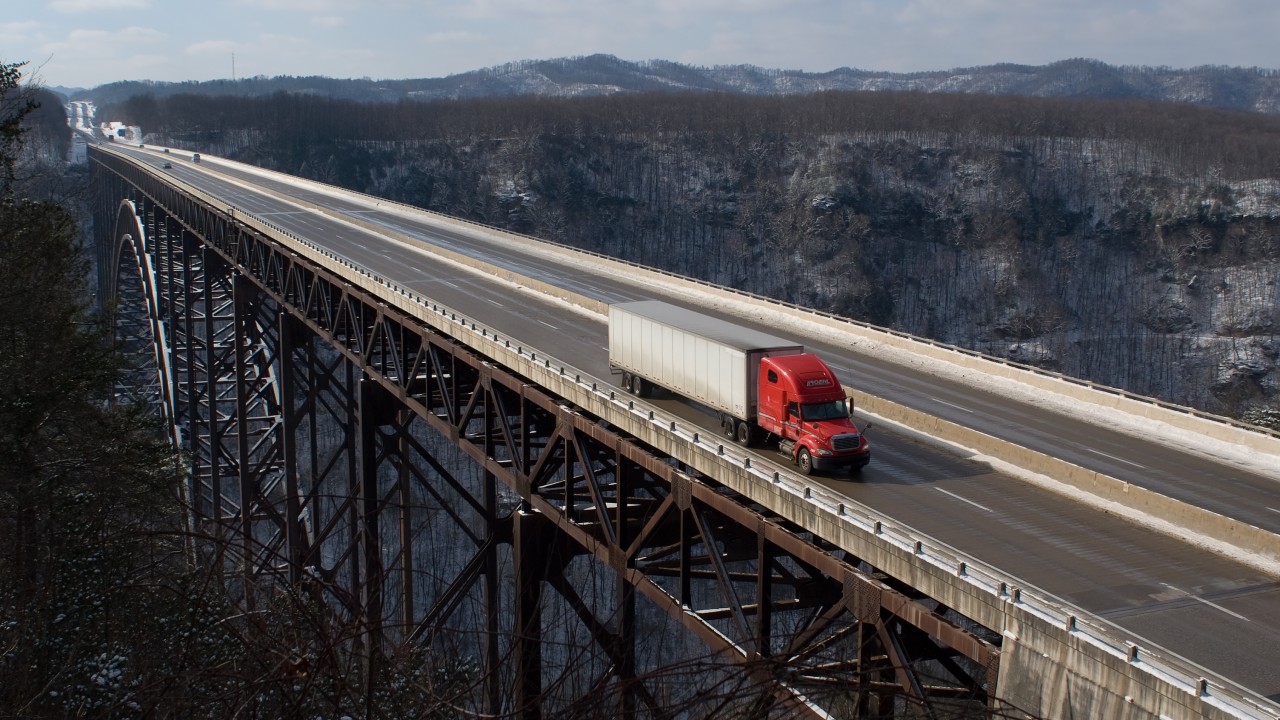
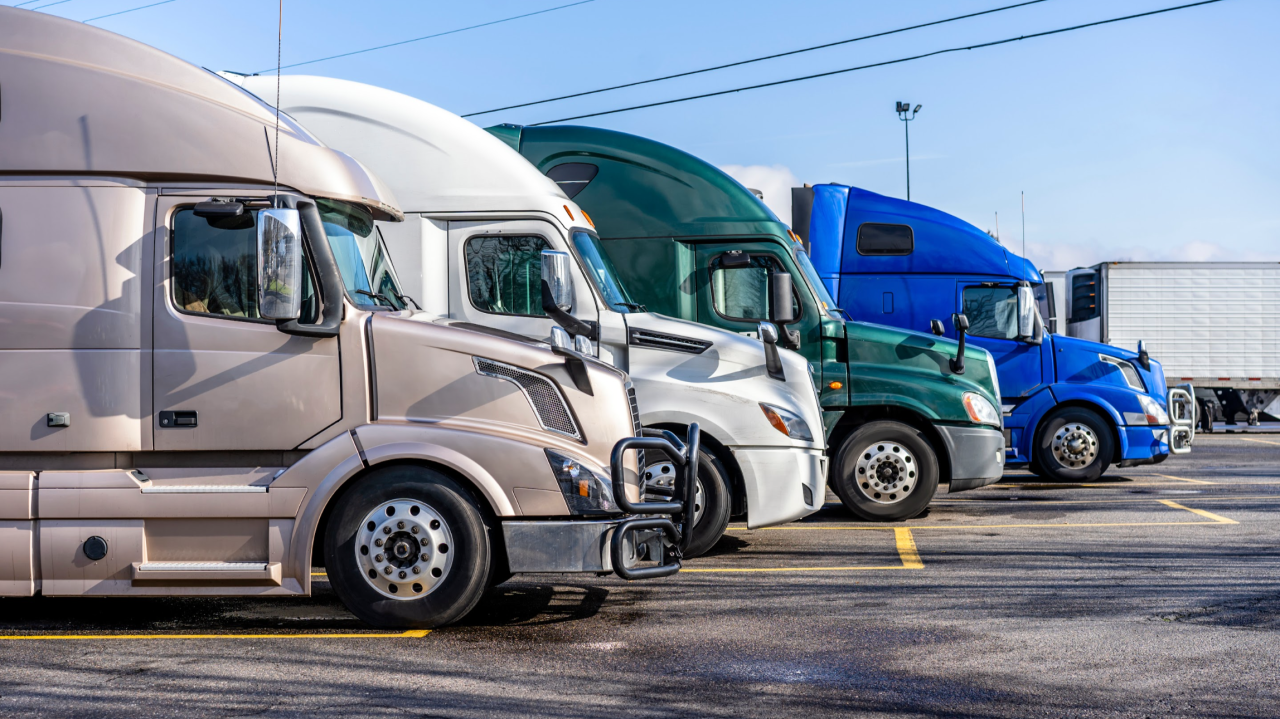
Construction companies, utility contractors, manufacturers, distributors, and other businesses often operate commercial vehicles without considering themselves part of the trucking industry.
A contractor may transport heavy equipment between jobsites. A manufacturer may deliver its own products. A utility company may operate specialized trucks across state lines.
Depending on the operation, these businesses may have obligations under both the Unified Carrier Registration (UCR) program and federal DOT drug and alcohol testing regulations.
The two programs serve different purposes, and one does not replace the other.
Understanding when each applies can help private fleets avoid missed registrations, testing violations, and preventable operational interruptions.
What Is a Private Motor Carrier?
A motor private carrier generally transports property to support its primary business rather than providing transportation services for compensation.
Examples may include:
- Manufacturers delivering their own products
- Construction contractors transporting equipment
- Retailers operating distribution fleets
- Utility contractors moving materials
- Food and beverage distributors
- Equipment rental businesses
- Landscaping companies with qualifying operations
- Industrial and agricultural businesses
The fact that transportation is not the company’s primary business does not automatically exempt it from federal motor carrier requirements.
However, applicability depends on the vehicles, activities, and type of transportation involved.
Do Private Carriers Need UCR Registration?
Many interstate motor private carriers of property are subject to annual UCR registration.
UCR is a registration and fee program that applies to specified interstate transportation businesses.
The official UCR Plan identifies interstate motor private carriers of property as a covered category. A company transporting its own property in qualifying interstate commerce may need to register even though it does not haul freight for hire.
UCR applicability should be evaluated independently of DOT drug testing requirements.
A private fleet may be subject to UCR even if its drivers are not required to participate in an FMCSA Part 382 drug testing program.
Conversely, a company operating CDL-required vehicles exclusively in intrastate commerce may have federal DOT testing obligations without necessarily being subject to UCR.
How Do DOT Drug Testing Requirements Apply?
FMCSA drug and alcohol testing rules generally cover CDL drivers operating vehicles subject to CDL requirements on public roads.
A private fleet may therefore need a DOT testing program when employees operate qualifying heavy trucks, passenger vehicles, or vehicles transporting placarded hazardous materials.
FMCSA expressly includes full-time, part-time, intermittent, and backup CDL drivers among potentially covered drivers.
An employee who drives a CDL-required vehicle only occasionally may still need to be enrolled in the employer’s testing program.
A general company drug testing policy is not automatically sufficient.
DOT testing must follow the specific procedures established under federal regulations.
Why UCR and DOT Testing Are Different
UCR registration concerns the business entity and its qualifying transportation activities.
DOT drug and alcohol testing concerns covered drivers and safety-sensitive functions.
These requirements have different purposes.
| Requirement | UCR registration | DOT drug testing |
| Primary focus | Business registration | Driver safety |
| Typical coverage | Qualifying interstate entities | Covered CDL operations |
| Timing | Annual registration | Ongoing testing program |
| Main records | Registration and fee documentation | Testing, Clearinghouse, and driver records |
| Does it replace the other? | No | No |
A private fleet should evaluate both requirements rather than assuming that satisfying one means the business is fully compliant.
Construction Companies and UCR Registration
Construction businesses may operate dump trucks, equipment haulers, service vehicles, and other commercial equipment.
Whether UCR registration applies depends on the nature of the company’s transportation activities.
For example, a contractor transporting its own equipment across state lines in qualifying commercial motor vehicles may fall within the motor private carrier category.
A contractor whose operations are entirely intrastate may have a different UCR obligation.
The company should review the applicable vehicle definitions, interstate activity, and any relevant exemptions.
Drug testing coverage must be evaluated separately based on CDL-required operations.
Utility Fleets and Specialized Vehicles
Utility companies and contractors may use bucket trucks, crane trucks, heavy service vehicles, and emergency response equipment.
Some vehicles may require CDL-qualified drivers. Others may not.
The company’s public or private status and the nature of its operations may also affect which regulatory requirements apply.
A utility contractor should not assume that all emergency work is exempt from DOT drug testing.
Similarly, a utility fleet should not assume that operating specialized vehicles automatically creates a UCR obligation.
Each program requires its own applicability review.
2027 UCR Registration Is Open
The UCR Plan opened registration for the 2027 registration year on October 1, 2026. The approved 2027 fee schedule is higher than the 2026 schedule.
Covered entities should review their applicable fee bracket and complete registration before the new year begins.
The official 2027 fee schedule for motor carriers, motor private carriers, and freight forwarders is:
| Vehicle bracket | 2027 UCR fee |
| 0–2 vehicles | $55 |
| 3–5 vehicles | $167 |
| 6–20 vehicles | $333 |
| 21–100 vehicles | $1,163 |
| 101–1,000 vehicles | $5,548 |
| 1,001 or more vehicles | $54,165 |
For brokers and leasing companies subject to UCR, the published 2027 flat fee is $55.
These amounts are government-established UCR registration fees and do not include optional third-party assistance charges.
When Is the 2027 UCR Renewal Due?
The UCR Plan states that covered entities must complete their annual registration and pay the applicable fee before January 1 of the registration year.
For 2027, businesses should complete registration before January 1, 2027.
A company that registers late may still owe the full applicable fee and may be subject to state enforcement.
Renewing early provides time to confirm business information, review the vehicle count, and resolve registration questions.
Does Every Private Fleet Vehicle Count Toward UCR?
Not necessarily.
The UCR vehicle count must be determined under the program’s specific rules.
It should not be based solely on the number of vehicles requiring a CDL or the number of drivers enrolled in a DOT drug testing program.
UCR’s commercial motor vehicle definition can include qualifying interstate vehicles with a gross vehicle weight rating or gross vehicle weight of at least 10,001 pounds, which is below the usual CDL weight threshold.
This distinction is particularly important for businesses operating medium-duty trucks.
A vehicle may count for UCR purposes without requiring a CDL driver.
Private carriers should verify their correct vehicle bracket using official UCR guidance.
DOT Drug Testing Responsibilities for Private Fleets
When Part 382 applies, the employer generally must maintain a compliant drug and alcohol testing program.
Important responsibilities include:
- Pre-employment DOT drug testing
- Random drug and alcohol testing
- Post-accident testing when required
- Reasonable suspicion procedures
- Clearinghouse registration and queries
- Driver consent documentation
- Return-to-duty and follow-up testing
- Required recordkeeping
For 2026, FMCSA’s minimum annual random testing rates are 50% for controlled substances and 10% for alcohol.
The employer must maintain an accurate roster of covered drivers, including qualifying occasional and backup drivers.
A consortium or third-party administrator may assist with these responsibilities, but the employer remains accountable.
What About Seasonal and Occasional Drivers?
Many private fleets operate seasonally.
Construction work may increase during warmer months. Landscaping companies may use heavy equipment for part of the year. Utility crews may need additional drivers during severe weather.
Seasonal operations do not automatically eliminate DOT testing obligations.
When employees perform covered CDL driving functions, the employer must address the applicable testing requirements.
Similarly, a seasonal reduction in the number of active drivers does not automatically change the company’s UCR vehicle bracket.
The UCR calculation must follow the program’s vehicle-counting rules.
Does UCR Registration Cover DOT Drug Testing?
No.
Paying the annual UCR fee does not enroll employees in a DOT testing program.
It does not complete pre-employment drug tests, establish a random testing pool, satisfy Clearinghouse queries, or provide driver qualification documentation.
A company must manage those requirements independently.
Likewise, participating in a DOT drug testing consortium does not complete annual UCR registration.
Businesses should maintain separate documentation for each program.
A Practical Annual Compliance Calendar
A private fleet can reduce administrative mistakes by tracking related obligations in one calendar.
Annual UCR Registration
Confirm whether the business is covered, review the applicable vehicle count, and complete registration for the next year.
USDOT Registration
Review company information and determine whether an MCS-150 update is due.
DOT Drug and Alcohol Testing
Verify covered drivers, random testing enrollment, pre-employment procedures, and required testing documentation.
Clearinghouse Requirements
Complete applicable pre-employment and annual queries, obtain required consent, and verify driver eligibility.
Driver and Vehicle Records
Review applicable qualification files, inspection documentation, maintenance records, and licensing requirements.
A coordinated calendar is particularly valuable for businesses without a dedicated transportation compliance department.
Frequently Asked Questions
Does a construction company need UCR?
It may if it qualifies as an interstate motor private carrier or another covered entity. Applicability depends on the company’s operations and the UCR rules.
Do private fleets need DOT drug testing?
They may when employees operate CDL-required commercial motor vehicles and perform covered safety-sensitive functions.
Is UCR required for intrastate-only private fleets?
Generally, UCR applies to qualifying interstate operations. Businesses should review their actual transportation activities and any applicable exceptions.
Can a vehicle count toward UCR without requiring a CDL?
Yes. The applicable UCR vehicle definition can cover vehicles below the usual CDL weight threshold.
When should I renew UCR for 2027?
Covered entities should complete 2027 registration before January 1, 2027.
Does UCR registration satisfy Clearinghouse requirements?
No. Clearinghouse obligations are separate from annual UCR registration.
Keep Your Private Fleet Registration Current
Construction companies, utility contractors, manufacturers, and other private fleets should review UCR registration and DOT drug testing as separate compliance obligations.
If your business operates qualifying interstate commercial vehicles, confirm that your UCR registration is current and that the correct fee bracket has been selected.
Home – Renew UCR – Online Compliance Services provides private assistance with annual UCR registration and renewal.
Visit Home – Renew UCR – Online Compliance Services or call (800) 655-6697 for assistance reviewing your UCR registration requirements.
Home – Renew UCR – Online Compliance Services is a private registration assistance service and is not the UCR Plan or a government agency. Covered businesses may register directly through the official UCR system without using a third-party service.