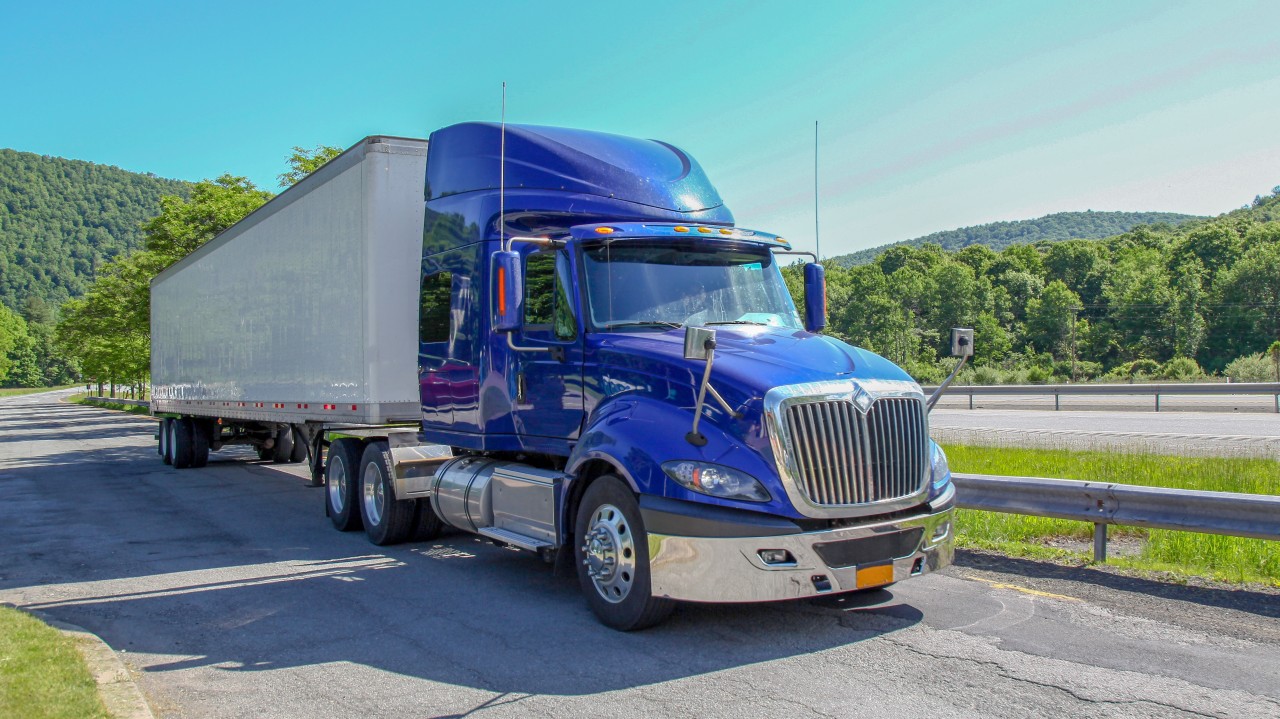
Roadside English-language proficiency enforcement can affect the availability of commercial drivers and the freight they are assigned to transport.
When a driver is placed out of service, a carrier may need replacement capacity, revised delivery plans, and additional administrative support.
Those disruptions do not automatically change the company’s annual Unified Carrier Registration obligations.
For covered interstate transportation businesses, driver qualification and UCR registration are separate requirements that must both be managed.
With the 2027 UCR registration season open, carriers should review operational readiness and annual registration planning together.
What Is English-Language Proficiency Enforcement?
49 CFR § 391.11(b)(2) requires covered commercial motor vehicle drivers to have sufficient English-language ability for specified communication and safety tasks.
The standard includes understanding highway traffic signs, responding to official inquiries, and completing required records.
English-language proficiency violations returned to roadside out-of-service enforcement on June 25, 2025.
This creates a risk that a driver may become unavailable during an active trip.
What Changed in 2026?
FMCSA issued revised enforcement guidance on April 16, 2026.
The agency published a proposed rule on August 10, 2026, seeking to codify the out-of-service treatment.
On October 6, 2026, FMCSA updated its FAQs to clarify roadside assessment procedures and the U.S.-Mexico border commercial-zone exception.
The August proposal should not be described as an effective final rule.
Why Does This Matter for Trucking Capacity?
A carrier may have trucks, trailers, insurance, and scheduled freight but still lose a driver following a roadside out-of-service determination.
That can affect pickup times, delivery appointments, and customer service.
The impact is often greater when a business has few available drivers.
Carriers should prepare backup plans rather than assume every disruption can be resolved immediately.
What Should Owner-Operators Review?
Owner-operators should verify their driver qualification, CDL status when applicable, medical qualification, and roadside documentation.
They should also be prepared to communicate with inspectors and understand relevant traffic signs.
A one-truck business may have limited replacement capacity.
The company should separately maintain its USDOT information, insurance, applicable operating authority, and annual UCR registration.
Do Private Fleets Face the Same Concern?
Qualifying private fleets may operate commercial motor vehicles subject to federal driver qualification requirements.
A construction company, manufacturer, distributor, or retailer may experience operational disruption when a driver is placed out of service.
Transportation does not have to be the company’s primary business for applicable safety requirements to matter.
Private fleets should evaluate both driver qualification and registration coverage.
What Is Unified Carrier Registration?
UCR is an annual registration and fee program for qualifying interstate transportation businesses.
Covered entities generally include interstate motor carriers, motor private carriers of property, brokers, freight forwarders, and leasing companies.
It is a business registration program.
It does not determine whether an individual driver meets English-language proficiency requirements.
Does an English-Language Violation Cancel UCR?
No.
An individual driver’s roadside English-language proficiency violation does not automatically cancel the company’s UCR registration.
The business remains responsible for annual registration if it is covered.
Likewise, paying UCR does not remove an out-of-service restriction.
When Is 2027 UCR Due?
The 2027 UCR registration portal opened October 1, 2026.
Covered entities must register and pay before January 1, 2027.
The practical year-end deadline is December 31, 2026.
A completed 2026 registration does not satisfy the 2027 obligation.
What Are the Official 2027 UCR Fees?
The UCR Plan published the following approved fees for 2027:
| Qualifying vehicles | Official 2027 fee |
| 0–2 | $55 |
| 3–5 | $167 |
| 6–20 | $333 |
| 21–100 | $1,163 |
| 101–1,000 | $5,548 |
| 1,001 or more | $54,165 |
Covered brokers and leasing companies pay $55.
These are official registration fees. Optional private filing assistance is separate.
Does a Driver Out-of-Service Order Change the UCR Fee?
Not directly.
For covered carriers, UCR fees are generally based on the applicable qualifying commercial motor vehicle count.
The number of drivers temporarily unavailable due to roadside enforcement is not itself a fee-bracket factor.
Use the UCR Plan’s counting rules.
What If a Truck Is Parked Because the Driver Is Unavailable?
Temporarily parking a truck does not automatically remove it from the applicable UCR vehicle count.
The correct bracket depends on the program’s counting rules and relevant registration information.
A carrier should not assume a temporary driver shortage reduces its annual fee.
How Can Fleet Expansion Affect UCR?
Adding qualifying commercial motor vehicles may move a carrier into a higher UCR bracket.
The business should review its vehicle count, company records, and applicable registration obligations.
Driver hiring alone does not automatically increase UCR fees.
The relevant distinction is between the number of drivers and the number of qualifying vehicles.
Can MCS-150 Information Affect UCR Renewal?
Yes.
The MCS-150 maintains company information, including reported power units.
The UCR Plan’s October 2026 guidance explains that certain enrolled automatic renewals use the power-unit count from the most current MCS-150.
A carrier should verify its information before renewal.
An MCS-150 update does not itself complete UCR payment.
Does Motus Replace UCR?
No.
FMCSA’s Motus system supports applicable USDOT registration and company-account transactions.
UCR registration is completed through the separate UCR system.
Neither platform determines whether a driver passes a roadside English-language assessment.
Do Freight Brokers Need UCR?
Covered freight brokers generally must register annually even when they own no trucks.
The official 2027 fee for covered brokers is $55.
Brokers should also have a practical load-recovery plan for unexpected carrier or driver unavailability.
Their annual UCR obligation is separate from their carrier-vetting procedures.
How Should Brokers Prepare for Driver Unavailability?
Brokers can maintain current carrier contacts, backup capacity options, and escalation procedures.
They should verify that replacement transportation is appropriately authorized and insured.
A driver out-of-service event may require communication with the shipper and changes to delivery arrangements.
The goal is to manage disruptions lawfully and transparently.
What Should Shippers Ask Carriers?
Shippers may ask how carriers qualify drivers, prepare for inspections, and manage unexpected service interruptions.
They can also ask about backup-driver availability and communication procedures.
These are practical transportation management questions.
They do not mean the shipper must independently maintain the carrier’s driver qualification files.
What About the Border Commercial-Zone Exception?
FMCSA’s October 6, 2026 FAQs clarify that certain trips confined to U.S.-Mexico border commercial zones receive different out-of-service treatment.
The exception depends on the current trip’s geographic scope.
It is not a blanket exemption based on the driver’s nationality or CDL issuing country.
The underlying English-language qualification requirement still applies.
What Happens If UCR Is Late?
The UCR Plan states that fees remain due after the deadline and that nonregistrants may face state enforcement.
Consequences depend on the applicable jurisdiction.
A late UCR payment is not the same as an individual driver’s English-language proficiency violation.
Both issues must be resolved through their appropriate processes.
How Do You Register for 2027 UCR?
Visit Home – UCR .
Confirm whether the business is covered.
Review the applicable entity category and qualifying vehicle count.
Select the 2027 registration year.
Complete payment and retain confirmation.
Private assistance is optional.
Frequently Asked Questions
Does an English-language violation cancel a carrier’s UCR?
No. They are separate regulatory matters.
Can UCR payment restore an out-of-service driver?
No. Driver qualification restrictions must be resolved independently.
What is the 2027 UCR deadline?
Covered entities must register and pay before January 1, 2027.
How much is UCR for one truck in 2027?
$55 for the zero-to-two-vehicle bracket, assuming it applies.
Does hiring a replacement driver increase UCR fees?
Not automatically. UCR carrier fees depend on the applicable vehicle count.
Do covered freight brokers need UCR without trucks?
Yes, generally, and the 2027 broker fee is $55.
Can a business register directly for UCR?
Yes. The official system supports direct registration.
Protect Capacity and Keep Annual Registration Current
English-language proficiency enforcement highlights the importance of driver readiness and practical recovery planning.
Annual UCR registration remains a separate responsibility for covered transportation businesses.
Home – Renew UCR – Online Compliance Services provides private assistance with UCR registration and renewal for covered motor carriers, owner-operators, brokers, freight forwarders, and private fleets.
Visit Home – Renew UCR – Online Compliance Services or call (800) 655-6697 for assistance with your 2027 UCR registration.
Home – Renew UCR – Online Compliance Services is a private registration assistance service and is not affiliated with the UCR Plan, FMCSA, or any government agency. It does not conduct official driver qualification assessments or resolve roadside out-of-service orders. Covered entities may register directly through the official UCR system without purchasing third-party assistance.