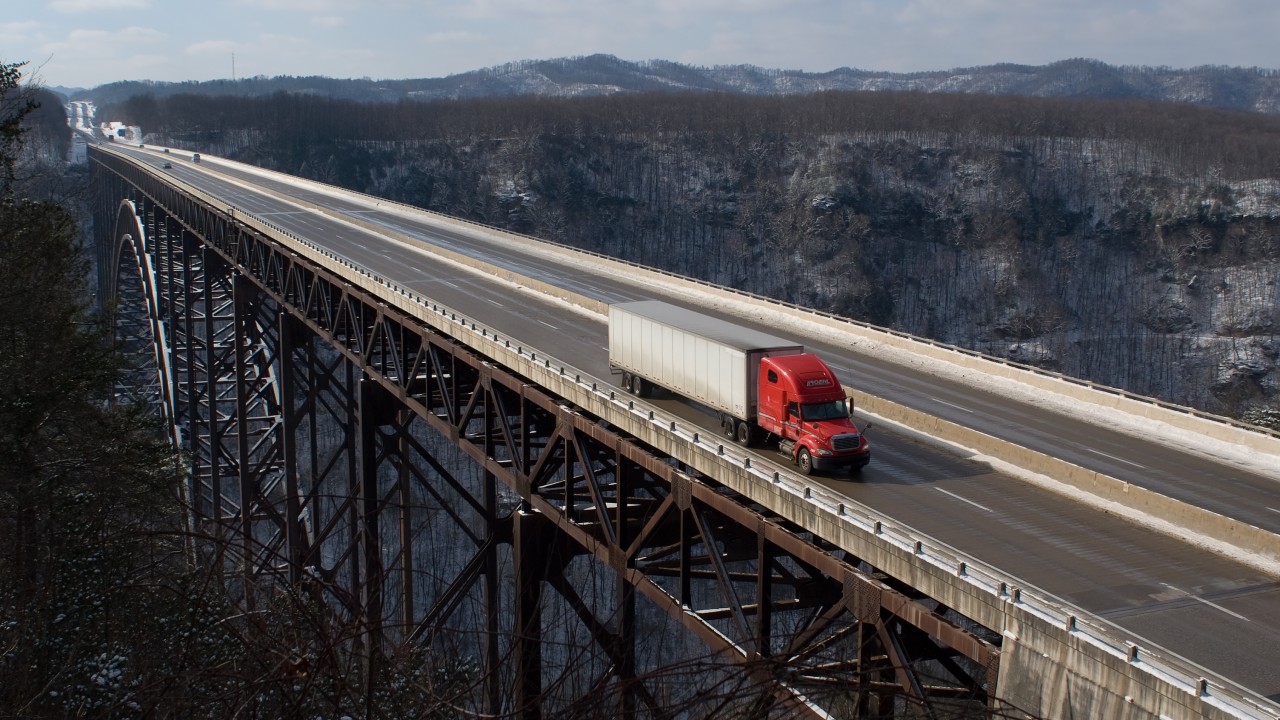
Owner-operators manage more than driving.
A single-truck business may need to maintain a USDOT number, operating authority, insurance, driver qualification records, drug and alcohol testing, and annual Unified Carrier Registration.
The FMCSA Drug and Alcohol Clearinghouse is another important system for covered CDL operations.
However, Clearinghouse registration and UCR renewal serve completely different purposes.
Understanding which requirements apply can help small carriers avoid compliance gaps while keeping annual paperwork organized.
Do All CDL Holders Need Clearinghouse Enrollment?
No.
FMCSA states that CDL drivers are not automatically required to register for a Clearinghouse account solely because they hold a commercial driver’s license.
However, a driver needs an account to provide electronic consent for a full query or view their Clearinghouse record online.
The practical need for registration often arises when a covered employer conducts a pre-employment query.
The underlying drug and alcohol testing requirements depend on the driver’s actual work and applicable FMCSA rules.
What Is the Drug and Alcohol Clearinghouse?
The Clearinghouse is a secure federal database containing specified DOT drug and alcohol program violation information.
Covered employers use it to evaluate driver eligibility.
The system also supports reporting and return-to-duty activities.
It does not provide a USDOT number, operating authority, or UCR registration.
Why Are Owner-Operators Different?
An owner-operator who employs themselves as a covered CDL driver may have obligations as both an employer and a driver.
The business must manage the employer’s testing and query responsibilities while the individual driver must respond to applicable consent and return-to-duty requirements.
A one-person operation is not automatically exempt from the federal drug and alcohol program.
The applicable requirements depend on the vehicle, work performed, and employment arrangement.
Does an Owner-Operator Need a C/TPA?
A covered owner-operator who employs themselves as a CDL driver must designate a consortium/third-party administrator to perform certain Clearinghouse functions.
FMCSA specifically states that the designated C/TPA is responsible for reporting the owner-operator’s applicable drug and alcohol program violations.
A C/TPA may also assist with authorized queries and other designated functions.
However, the owner-operator remains responsible for ensuring that the business complies with applicable requirements.
Is a Drug Testing Consortium Required?
A single-driver employer covered by FMCSA drug and alcohol testing rules must participate in a compliant random testing program through a consortium.
The program may also involve pre-employment testing and other testing categories when required.
Joining a consortium does not automatically mean the owner-operator has completed Clearinghouse registration or every employer query.
Each responsibility should be verified.
How Do Clearinghouse Queries Work?
Covered employers generally must conduct a full pre-employment query and annual queries.
Full queries require specific electronic driver consent through the Clearinghouse.
Limited queries require general consent obtained outside the system.
If a limited query indicates that a record exists, the employer must follow the full-query process.
For owner-operators, the designated C/TPA may perform authorized query functions.
What Happens if a Driver Has Prohibited Status?
A driver with prohibited Clearinghouse status cannot perform covered safety-sensitive functions.
The driver must complete the applicable return-to-duty process before resuming those duties.
Under Clearinghouse II, effective November 18, 2024, state licensing agencies must remove commercial driving privileges when a driver has prohibited status.
Restoration of commercial privileges requires the relevant return-to-duty and state licensing steps.
For a one-truck business, losing driver eligibility may stop operations even while company registrations remain active.
Does Clearinghouse Registration Replace UCR?
No.
Clearinghouse requirements concern DOT drug and alcohol compliance.
UCR is an annual registration and fee program for specified interstate transportation businesses.
A carrier may need both, but completing one does not satisfy the other.
A Clearinghouse account does not renew UCR.
Paying UCR does not complete a Clearinghouse query, enroll a driver in random testing, or restore a prohibited driver’s eligibility.
Who Needs UCR?
UCR applies to certain interstate motor carriers, motor private carriers of property, brokers, freight forwarders, and leasing companies.
A one-truck owner-operator may be covered.
The requirement depends on the business’s operations and applicable program definitions.
A CDL alone does not automatically create a UCR obligation.
What Is the 2027 UCR Deadline?
Registration for the 2027 UCR year opened October 1, 2026.
Covered businesses should complete registration and payment before January 1, 2027.
The deadline is separate from drug testing, Clearinghouse queries, and driver licensing obligations.
What Are the 2027 UCR Fees?
The approved 2027 UCR motor carrier fee schedule is:
| Vehicle bracket | 2027 fee |
| 0–2 vehicles | $55 |
| 3–5 vehicles | $167 |
| 6–20 vehicles | $333 |
| 21–100 vehicles | $1,163 |
| 101–1,000 vehicles | $5,548 |
| 1,001 or more vehicles | $54,165 |
Covered brokers and leasing companies pay a flat $55 fee for 2027.
These are government-established registration fees.
Optional private filing assistance fees are separate.
Does a Driver’s Clearinghouse Status Affect the UCR Fee?
Not automatically.
UCR motor carrier fees are based on applicable vehicle-counting rules.
A driver’s Clearinghouse status does not directly determine the vehicle bracket.
A temporarily unavailable driver does not necessarily remove a truck from the UCR calculation.
Owner-operators should verify their registration obligations separately from driver eligibility.
What if the Business Is Not Currently Operating?
Temporary inactivity does not automatically resolve every annual registration requirement.
A business should evaluate its actual operating status, applicable registration year, and UCR rules.
A company that has ceased covered operations may have different circumstances from one preparing to resume interstate transportation.
The same business should separately determine whether its drug and alcohol testing program must remain active or be reestablished before covered driving resumes.
A Compliance Checklist for One-Truck Businesses
An owner-operator should review:
- USDOT registration status
- Operating authority, if required
- Insurance and financial responsibility
- CDL and medical qualification
- Driver Qualification File requirements
- Drug and alcohol testing program participation
- Clearinghouse account access and C/TPA designation
- Required Clearinghouse queries
- Vehicle inspection and maintenance
- Hours-of-service and ELD requirements
- Annual UCR registration
Not every requirement applies to every operation.
The purpose of the checklist is to keep separate obligations visible.
Can I Complete UCR Registration Myself?
Yes.
Covered businesses may register directly through the official UCR system at Home – UCR .
Private assistance is optional.
A provider can help explain the applicable entity category, vehicle bracket, and registration process, but should distinguish official UCR fees from any private service charges.
Frequently Asked Questions
Does every owner-operator need a Clearinghouse account?
The answer depends on the operation and the actions required. A covered owner-operator with employer and driver obligations generally needs appropriate system access.
Does joining a consortium complete UCR renewal?
No. The two requirements are unrelated.
Does UCR registration prove that I passed a drug test?
No. UCR is not a drug testing or driver qualification certification.
What is the 2027 UCR fee for a one-truck carrier?
The approved zero-to-two-vehicle fee is $55, assuming that bracket applies.
When should I renew UCR for 2027?
Before January 1, 2027.
Can I renew directly through the official UCR Plan?
Yes. The official system is available at Home – UCR .
Keep Your Annual Registrations Organized
Owner-operators should manage Clearinghouse, drug testing, driver qualification, and UCR as separate compliance responsibilities.
Home – Renew UCR – Online Compliance Services provides private assistance with annual UCR registration and renewal for covered motor carriers, owner-operators, brokers, and other transportation businesses.
Visit Home – Renew UCR – Online Compliance Services or call (800) 655-6697 for assistance reviewing your 2027 UCR registration requirements.
Home – Renew UCR – Online Compliance Services is a private registration assistance service and is not affiliated with the UCR Plan, FMCSA, or a government agency. Covered businesses may register directly through the official UCR system without using a third-party service.