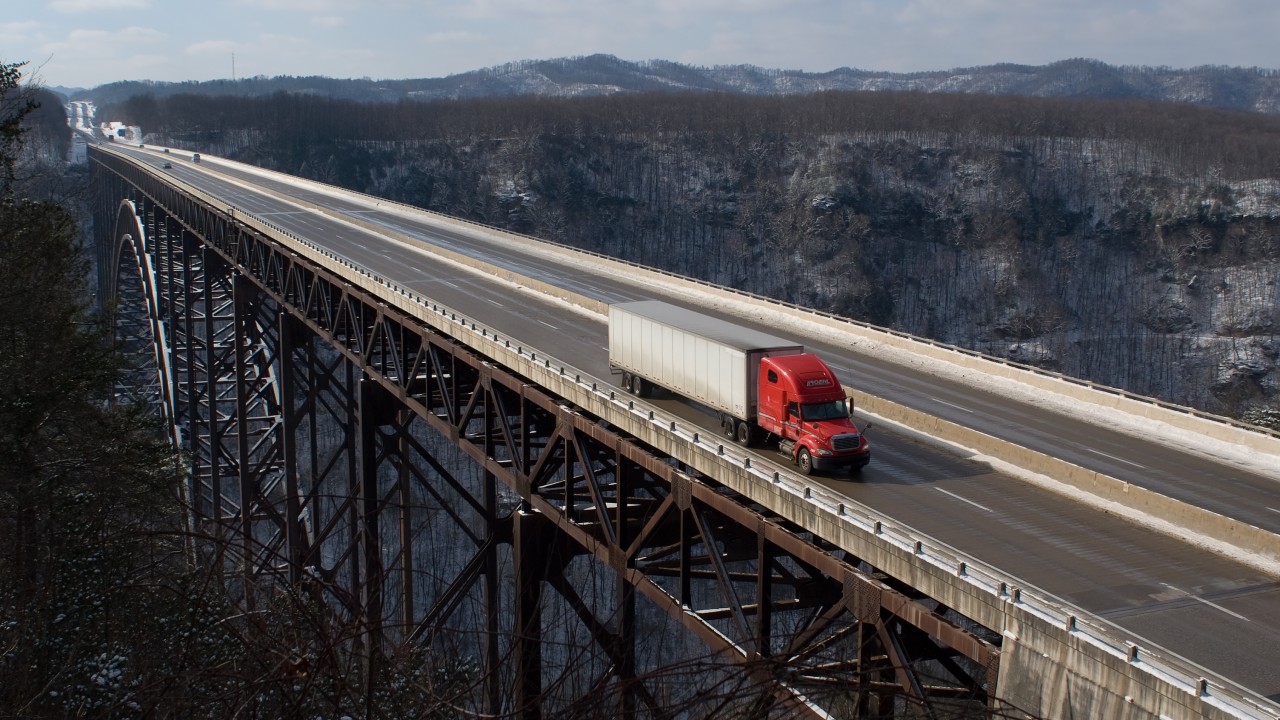
Operating a trucking business requires careful management of cash flow and regulatory expenses.
A carrier may complete several loads before receiving payment, while fuel, insurance, repairs, and other bills continue to come due.
Freight invoice factoring is one option for receiving cash sooner.
Annual Unified Carrier Registration is a separate obligation for covered interstate transportation businesses.
Understanding both can help owner-operators and fleets plan for operating expenses without confusing financial services with government registration requirements.
What Is Factoring in Trucking?
Freight factoring allows a carrier to sell an eligible unpaid invoice to a factoring company.
The factor generally advances a percentage of the invoice and collects payment from the broker or shipper.
Any remaining reserve is settled under the factoring agreement.
The carrier pays for earlier access to cash through factoring fees and any applicable additional charges.
Why Do Carriers Use Factoring?
Trucking expenses often arise before freight revenue is collected.
Fuel, payroll, insurance, maintenance, and registration costs may need to be paid while invoices remain outstanding.
Factoring can reduce the waiting period for eligible invoice proceeds.
It does not create additional freight revenue or eliminate operating expenses.
How Does the Factoring Process Work?
After delivering a load, the carrier gathers the rate confirmation, invoice, and proof of delivery.
The factor verifies the invoice and the customer.
Once approved, the factor provides an advance.
The broker or shipper later pays the factor.
The factor then settles any remaining reserve according to the agreement.
Funding speed and advance rates depend on the provider, invoice, documentation, and contract.
How Much Does Factoring Cost?
Consider a $5,000 freight invoice with a 90% advance and a 3% total fee.
The initial advance is $4,500.
The factoring fee is $150.
After full collection, the carrier receives another $350, assuming no other charges.
Total proceeds are $4,850.
The carrier receives money sooner but gives up part of the invoice value.
What Is the Difference Between Recourse and Non-Recourse?
Recourse factoring may require the carrier to repurchase an unpaid invoice.
Non-recourse factoring transfers certain defined credit risks to the factor.
Non-recourse agreements may still exclude invoice disputes, freight claims, documentation errors, or other causes of nonpayment.
The contract should explain which losses are covered.
What Should Owner-Operators Compare?
Review the advance rate, factoring fee, minimum-volume requirements, payment timing, contract duration, and termination terms.
Ask whether additional charges apply when invoices age.
Review how the provider handles reserves, broker disputes, and collections.
Compare the total cost rather than choosing solely by the advertised advance percentage.
What Is Unified Carrier Registration?
UCR is an annual registration and fee program for qualifying interstate transportation entities.
It applies to specified motor carriers, motor private carriers of property, brokers, freight forwarders, and leasing companies.
UCR is not a financing product.
A factoring company does not automatically complete UCR registration for its customers.
Who Must Register for UCR?
Covered interstate motor carriers generally must register annually.
Qualifying interstate private carriers of property may also be covered.
Freight brokers, freight forwarders, and leasing companies have applicable registration categories.
Not every business that owns a commercial vehicle is automatically covered.
When Is 2027 UCR Due?
The 2027 UCR registration season opened October 1, 2026.
Covered businesses must register and pay before January 1, 2027.
A 2026 registration does not satisfy the 2027 requirement.
Carriers should verify that payment is completed for the correct year.
What Are the Official 2027 UCR Fees?
The approved 2027 fees are:
| Qualifying vehicles | Official 2027 fee |
| 0–2 | $55 |
| 3–5 | $167 |
| 6–20 | $333 |
| 21–100 | $1,163 |
| 101–1,000 | $5,548 |
| 1,001 or more | $54,165 |
Covered brokers and leasing companies pay $55.
These are official UCR fees. Optional private registration assistance charges are separate.
How Much Is UCR for a One-Truck Owner-Operator?
A covered one-truck interstate carrier generally falls within the zero-to-two-vehicle bracket.
The 2027 fee for that bracket is $55.
The business should confirm the applicable counting rules and registration category.
The fee is due regardless of whether the carrier uses factoring.
Does Factoring Pay UCR Automatically?
No.
Factoring converts eligible unpaid invoices into earlier cash.
UCR requires a separate annual registration and payment.
The carrier remains responsible for completing UCR even when a factor handles freight invoice collections.
Can Factoring Help a Carrier Budget for UCR?
Potentially.
Earlier invoice proceeds may improve the availability of cash for registration and other business expenses.
However, factoring fees reduce the amount of freight revenue retained.
For many small fleets, setting aside money for known annual obligations may be less expensive than factoring invoices solely to cover registration fees.
The appropriate choice depends on the company’s broader cash-flow needs.
How Should Growing Fleets Plan for UCR?
Fleet size can affect the UCR fee bracket.
A company should review the applicable vehicle count and determine which bracket applies to the registration year.
It should also account for insurance, maintenance, vehicle registration, and other costs associated with expansion.
A higher freight volume does not automatically mean the business has enough available cash for these expenses.
Can MCS-150 Information Affect UCR Renewal?
Yes.
The MCS-150 maintains federal company information, including reported power units.
The UCR Plan stated in October 2026 that certain enrolled automatic renewals use the power-unit count from the most current MCS-150 under Option A.
The business should verify the applicable UCR counting method and its reported information.
An MCS-150 update does not itself complete UCR registration.
What About UCR Automatic Renewal?
Eligible businesses may enroll in automatic renewal through the official UCR system.
The process uses authorized payment information and applicable registration data.
Enrollment does not guarantee that a payment will succeed.
Always verify the completed renewal and retain confirmation.
Does Factoring Replace a USDOT Number?
No.
A USDOT number is a federal company registration identifier for qualifying transportation businesses.
Factoring is a private financial arrangement.
A factoring provider may request the USDOT number during underwriting, but approval does not establish regulatory compliance.
Does UCR Replace Operating Authority?
No.
Certain interstate for-hire operations require separate federal operating authority.
UCR payment does not grant or reinstate authority.
A business should verify its USDOT registration, applicable operating authority, insurance filings, and UCR independently.
Does Factoring Affect UCR Vehicle Brackets?
Not directly.
The UCR fee bracket depends on the applicable qualifying vehicle count, not the number of invoices factored.
A company factoring every load and a company using ordinary broker payment terms can owe the same UCR fee when their relevant registration circumstances are otherwise identical.
What Happens If UCR Is Late?
The UCR Plan states that applicable registration fees remain due after the deadline.
Nonregistrants may face state enforcement.
The consequences depend on the relevant jurisdiction.
Factoring approval does not excuse late UCR registration.
How Do You Register for 2027 UCR?
Visit the official UCR website at Home – UCR .
Confirm the legal entity and whether it is covered.
Review the registration category and qualifying vehicle count.
Select the 2027 registration year.
Complete payment and retain confirmation.
Private filing assistance is optional.
Frequently Asked Questions
Can owner-operators use factoring?
Yes, subject to the provider’s underwriting and invoice requirements.
Is factoring required to pay UCR?
No. UCR can be paid directly without using a factoring company.
What is the 2027 UCR fee for one truck?
$55 for the zero-to-two-vehicle bracket, assuming it applies.
Do freight brokers need UCR without trucks?
Covered brokers generally do.
Does an MCS-150 filing renew UCR?
No. They are separate processes.
Does factoring reduce UCR fees?
No. Factoring does not change the official UCR fee schedule.
Can a carrier register directly for UCR?
Yes. Covered entities can register through the official UCR system.
Plan for Cash Flow and Complete Your UCR Renewal
Freight factoring may help a trucking business manage the timing of incoming payments, but it does not replace annual registration or other compliance responsibilities.
Home – Renew UCR – Online Compliance Services provides private assistance with UCR registration and renewal for covered carriers, owner-operators, private fleets, brokers, and freight forwarders.
Visit Home – Renew UCR – Online Compliance Services or call (800) 655-6697 for assistance with your 2027 UCR registration.
Home – Renew UCR – Online Compliance Services is a private registration assistance service and is not affiliated with the UCR Plan, FMCSA, or any government agency. Covered businesses may register directly through the official UCR system without purchasing third-party assistance. This article provides general information, not individualized financial or legal advice.